



LightningChart® .NET v.10.1.1 – Ultimate performance release. 16 billion data points in real-time!
The newest version of LightningChart® v.10.1.1 has been released on June 17, 2021, and we are excited to communicate to you everything that’s new!
A Major Breakthrough Release
LightningChart NET version 10.1.1 focuses heavily on improving the already great performance capabilities. Some of the improvements that were included in this release were a major enhancement in line series for real-time monitoring and user’s interactions with IntensityGridSeries and PointLineSeries3D.
Additionally, there is an improved performance when 1000’s AnnotationXY and Polar Sectors are implemented.
Unbeatable High-Performance
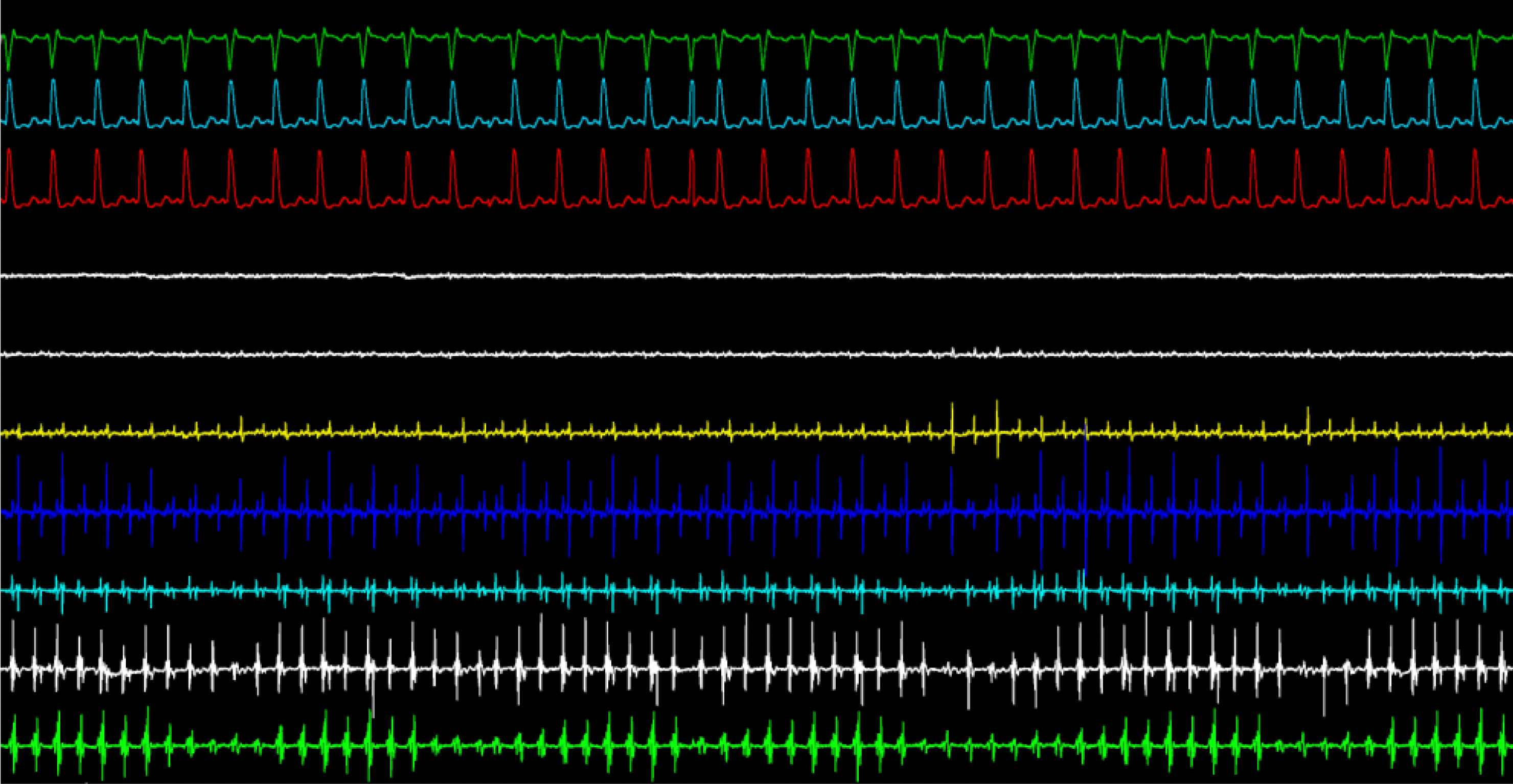
When talking about scientific and big data visualization in real-time, LightningChart® previous version had already an astonishing rendering capacity of 8 billion data points yet WE WERE NOT SATISFIED! The newest LightningChart NET version 10.1.1 increases its rendering performance to 16 billion data points in real-time using a mid-level desktop PC. See the full performance results here.
Moreover, the user experience of v.10.1.1 allows the end-user to scroll and sweep a dozen of screens with thousands of lines all open and operating simultaneously.
That’s what we called real-time BIG DATA!
Can your computer run LightningChart® v.10.1.1?
The answer is extremely like yes as the newest version has significantly reduced the resource consumption when zooming and panning heatmaps, making it 100x faster. Additionally, the CPU load has been reduced from an 80% to 20%.
Innovative Improvements: SampleDataBlockSeries a new & super-fast line series
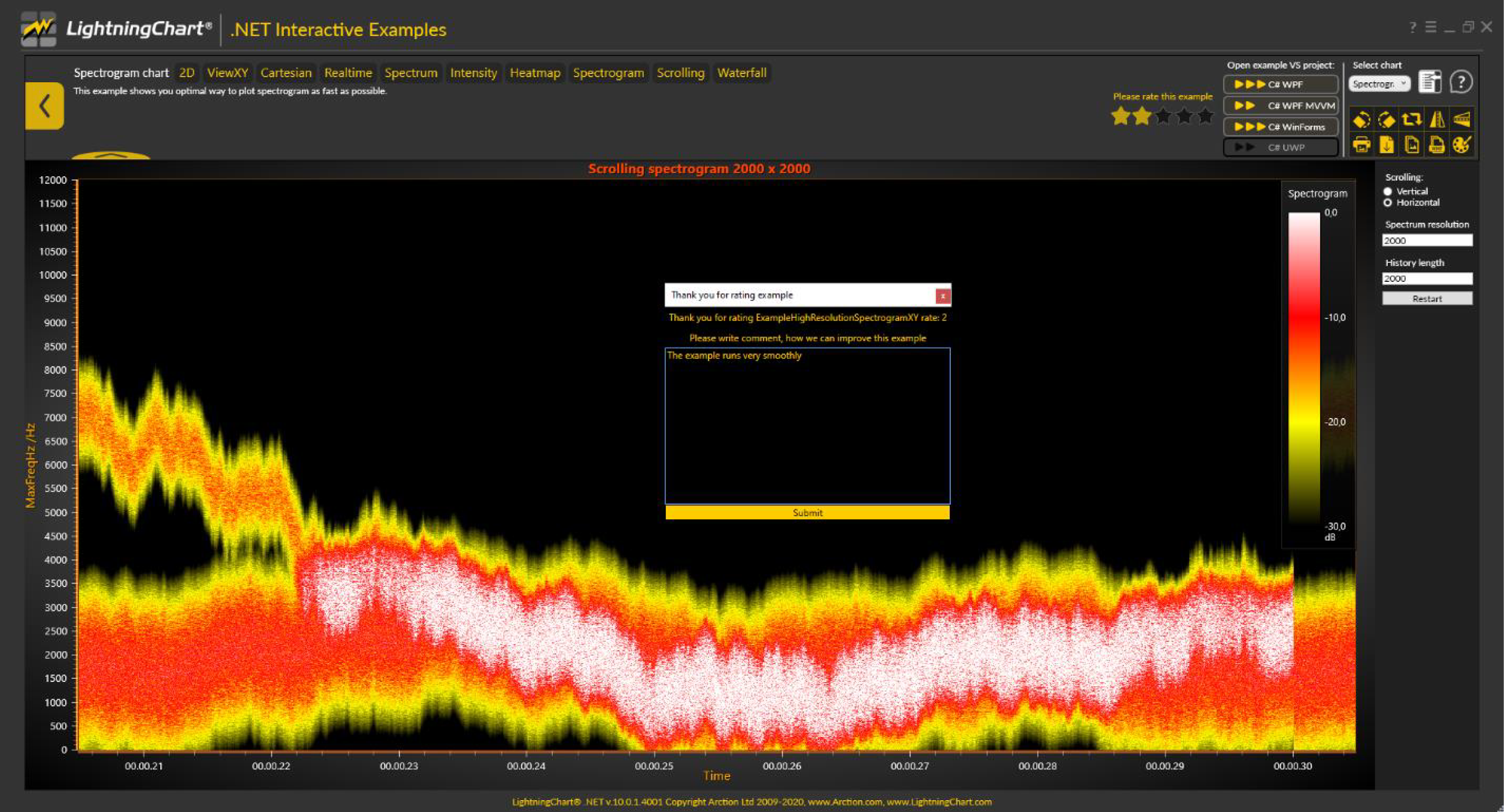
One of the new additions LightningChart® v.10.1 brings with it, is SampleDataBlockSeries. We define the SampleDataBlockSeries as the best series type to visually interact with data as it happens. The strengths of the SampleDataBlockSeries are:
- Very low variations in refresh intervals.
- A smooth monitoring experience, (much better than its predecessor SampleDataSeries).
- A considerably lower RAM and CPU resource consumption.
- A higher FPS rates.
- A Significantly better user-interaction responsiveness.
Concretely, the SampleDataBlockSeries achieve an 860% memory consumption and a 5100% CPU overhead decrement, meaning that data will have a more consistent flow to screen and a smoother visualization.
The SampleDataBlockSeries line series type is particularly implemented in medical monitoring, industrial applications, and vibration analysis.
Additional Advancements
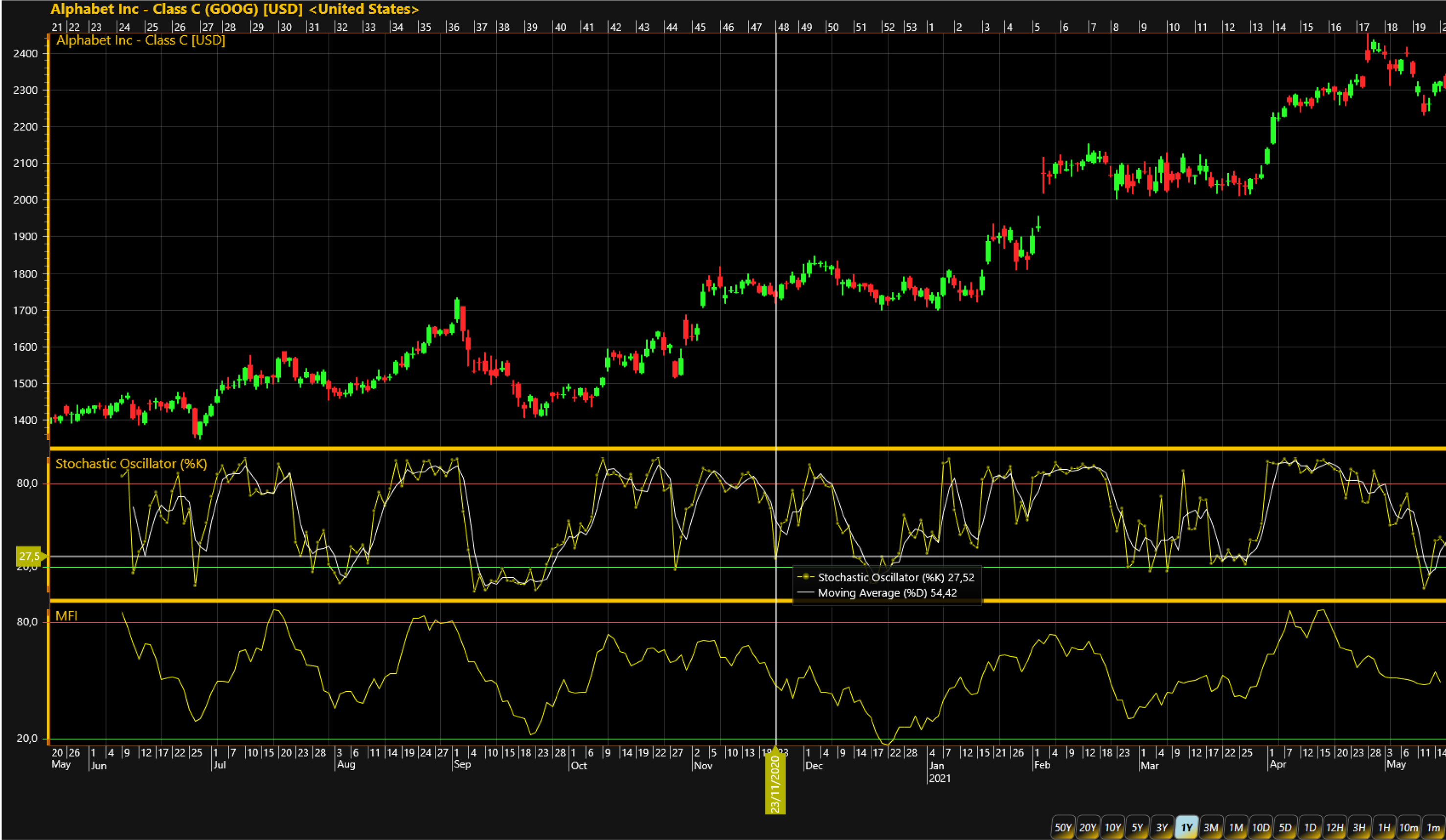
LightningChart NET version 10.1.1 introduces the Stochastic Oscillator and the Money Flow Index technical indicator for trading charts.
Check out the changelog for full detailed information about all the improvements in new version 10.1.1!
Happy Coding!
See more news
LightningChart .NET v.12.6.1
LightningChart .NET v.12.6.1 is out now!Features of LightningChart® .NET version 12.6.1In this release we added new features, made several improvements and fixed dozens of errors. We upgraded target framework (from .NET 8.0 to 10.0), added Universal-Data-Parser...
Trend Lines in Trading
Trend lines are among the simplest yet most powerful tools in technical analysis. They help traders visualize market direction, identify potential support and resistance levels, and make more informed trading decisions. Despite their simplicity, trend lines remain a...
Announcement: Baumer as LightningChart customer
Enabling High-Performance Visualization of Industrial Sensor Data with LightningChartDiscover how Baumer uses LightningChart to configure and visualize data from a wide variety of industrial sensors and create responsive, data-rich visualization...
Best Python Charting Library in 2026
Python's charting ecosystem is large, overlapping, and regularly misunderstood. Most comparison guides stop at Matplotlib, Plotly, and Seaborn. This one goes further: it covers what happens when your datasets grow large, your update rates increase, or your chart types...



If you have any questions, feel free to contact us!



©LightningChart Ltd 2026. All rights reserved.