



LightningChart .NET v.12.3.1 is out now!
Improved line-drawing precision, better HERE tile map quality, and new chart examples.
Line-drawing precision
Now ensures accurate rendering of line series, even when the visible axis range is as small as a fraction of a pico-unit (10-¹²). This enhancement enables significantly deeper zoom levels.
Improved HERE tile map quality
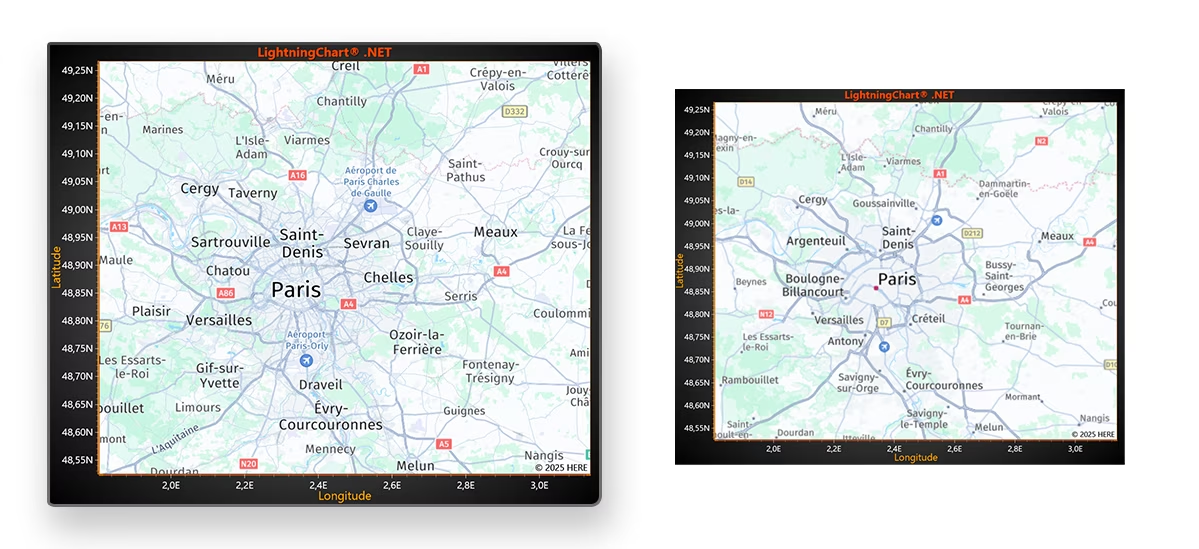
HERE map rendering services have been upgraded to use higher-quality images by default. A new public Size property has been introduced, allowing users to select lower-quality images to accelerate map tile downloads when needed. In the comparison, the new high-quality map is shown on the left, and the previous version is on the right.
New Chart Examples
A new volumetric example has been added to the demo, and the ‘LiDAR’ example now supports loading more data points for enhanced visualization.
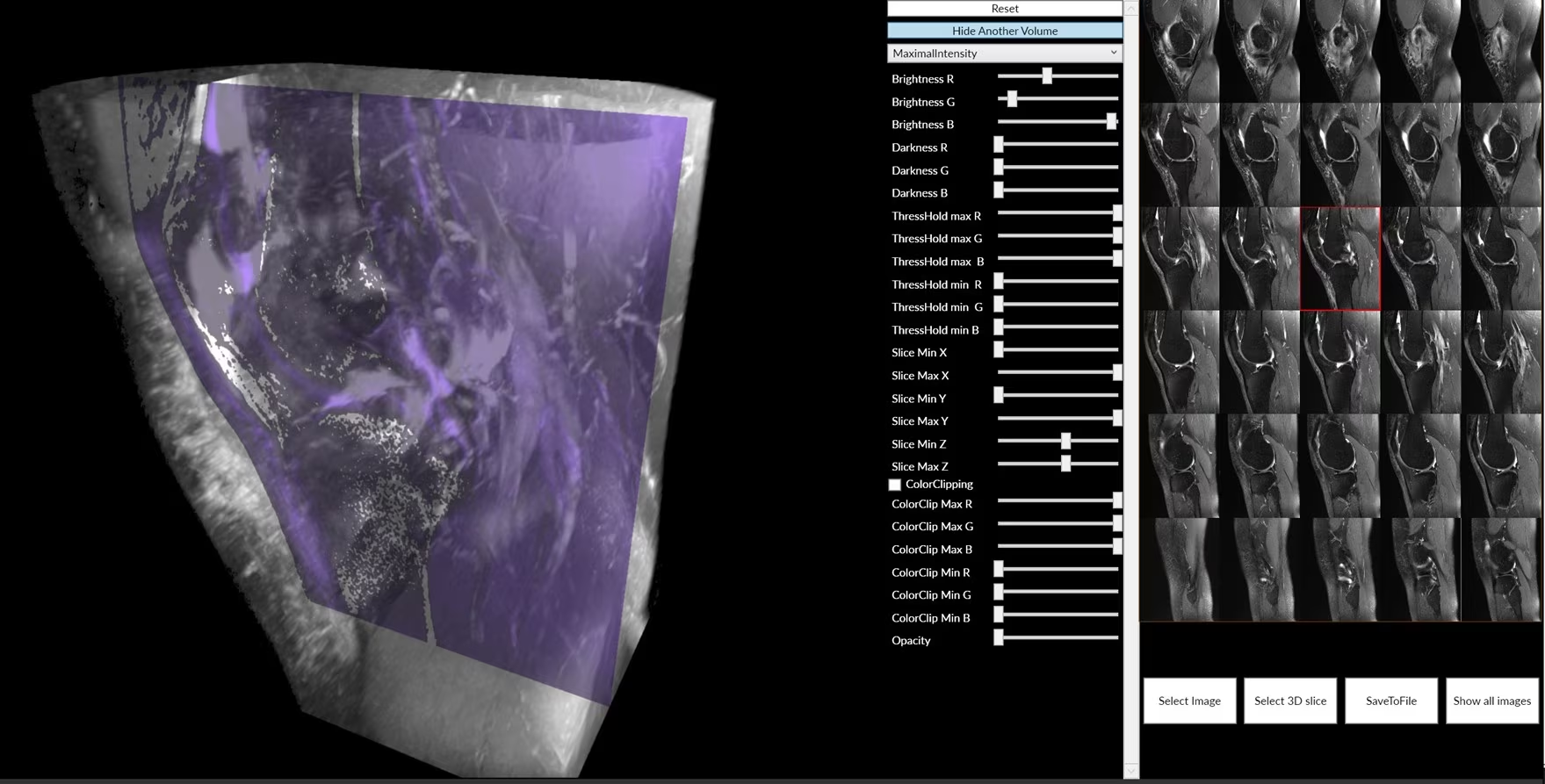
Volumetric .NET example.
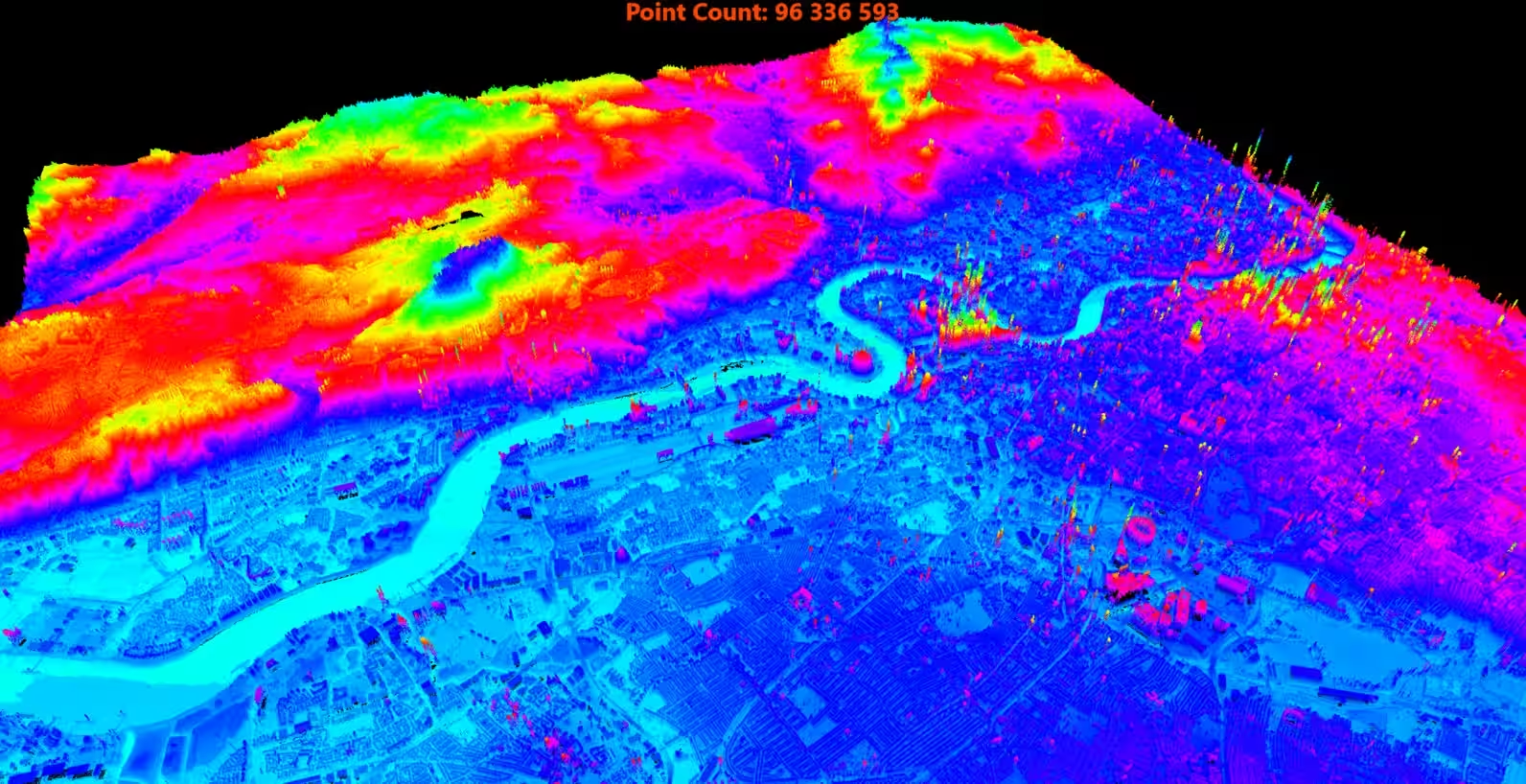
LiDar .NET example.
Get started with LightningChart .NET v.12.3.1
See more news
LightningChart .NET v.12.6.1
LightningChart .NET v.12.6.1 is out now!Features of LightningChart® .NET version 12.6.1In this release we added new features, made several improvements and fixed dozens of errors. We upgraded target framework (from .NET 8.0 to 10.0), added Universal-Data-Parser...
Trend Lines in Trading
Trend lines are among the simplest yet most powerful tools in technical analysis. They help traders visualize market direction, identify potential support and resistance levels, and make more informed trading decisions. Despite their simplicity, trend lines remain a...
Announcement: Baumer as LightningChart customer
Enabling High-Performance Visualization of Industrial Sensor Data with LightningChartDiscover how Baumer uses LightningChart to configure and visualize data from a wide variety of industrial sensors and create responsive, data-rich visualization...
Best Python Charting Library in 2026
Python's charting ecosystem is large, overlapping, and regularly misunderstood. Most comparison guides stop at Matplotlib, Plotly, and Seaborn. This one goes further: it covers what happens when your datasets grow large, your update rates increase, or your chart types...



If you have any questions, feel free to contact us!



©LightningChart Ltd 2026. All rights reserved.