






LightningChartIndustrial Telemetry
ArticleChart components to enhance industrial processes with data monitoring and visualization.
Written by a human | Updated on April 14th, 2025
Introduction
In today’s rapidly evolving world, industries are increasingly relying on advanced technologies to optimize their operations. One such technology that has gained significant traction in recent years is industrial telemetry.
Industrial telemetry refers to the process of collecting, transmitting, and analyzing data from remote industrial equipment and systems. This data is then used to monitor and manage various processes in industries such as water and wastewater treatment, oil and gas, manufacturing, chemical plants, and refineries.
Telemetry analytics play a crucial role in ensuring the efficient operation of industrial processes by providing real-time access to and control of data. By leveraging innovative monitoring and visualization techniques, these systems enable industries to make informed decisions, minimize downtime, reduce costs, and ensure the safety of personnel and the environment.
Let’s see now some of the industrial telemetry applications.
Water and Wastewater Treatment

Industrial telemetry finds applications in a wide range of sectors, each with its own unique requirements. Let’s explore how telemetry is used in different industrial sectors and the types of data collected through these systems.
In the water industry, telemetry plays a critical role in monitoring and managing the various stages of water treatment, from the source to the end user and back.
What types of data are collected through telemetry?
Telemetry systems collect a wealth of essential data in the context of water and wastewater treatment. These data sets include information on water quality, flow rates, pressure levels, chemical dosing, and system performance. Water quality data encompass measurements of parameters such as pH, turbidity, dissolved oxygen, and microbial content. Flow rates and pressure levels are critical for assessing the efficiency of water distribution and treatment processes, while chemical dosing data ensures the precise addition of treatment chemicals.
How do telemetry systems collect data?
Telemetry systems use a network of sensors and instruments strategically placed throughout water treatment plants and distribution networks. These sensors continuously collect data from the various components of the water treatment process, including intake and treatment plants, pumping stations, reservoirs, and distribution networks. The collected data is then transmitted in real-time to a central control center, where it is analyzed, visualized, and acted upon. Data transmission typically occurs through wired or wireless communication channels, ensuring that operators have up-to-the-minute information about system performance.
Types of machines where telemetry data are collected from
Telemetry data is collected from a variety of machines and equipment within water and wastewater treatment facilities. These include:
Pumps and Valves: Telemetry systems monitor the operation of pumps and valves to ensure that water is flowing at the right rate and pressure and that valves are functioning correctly.
Chemical Injection Systems: Data is collected from chemical dosing systems to ensure precise chemical treatment of water, helping maintain water quality standards.
Water Quality Sensors: Sensors are used to monitor various water quality parameters such as pH, turbidity, chlorine levels, and microbial content to guarantee the delivery of safe and clean water to consumers.
Flow Meters: Flow meters are used to measure the rate at which water is flowing through pipes and treatment processes.
Pressure Sensors: These sensors provide crucial information on pressure levels, helping to manage the distribution network efficiently.
By leveraging telemetry in the water and wastewater treatment sector, operators can ensure the delivery of safe and clean water while optimizing resource utilization and reducing maintenance costs. Real-time data collection and analysis are vital to safeguarding public health and environmental protection in this critical industry.
Oil and Gas
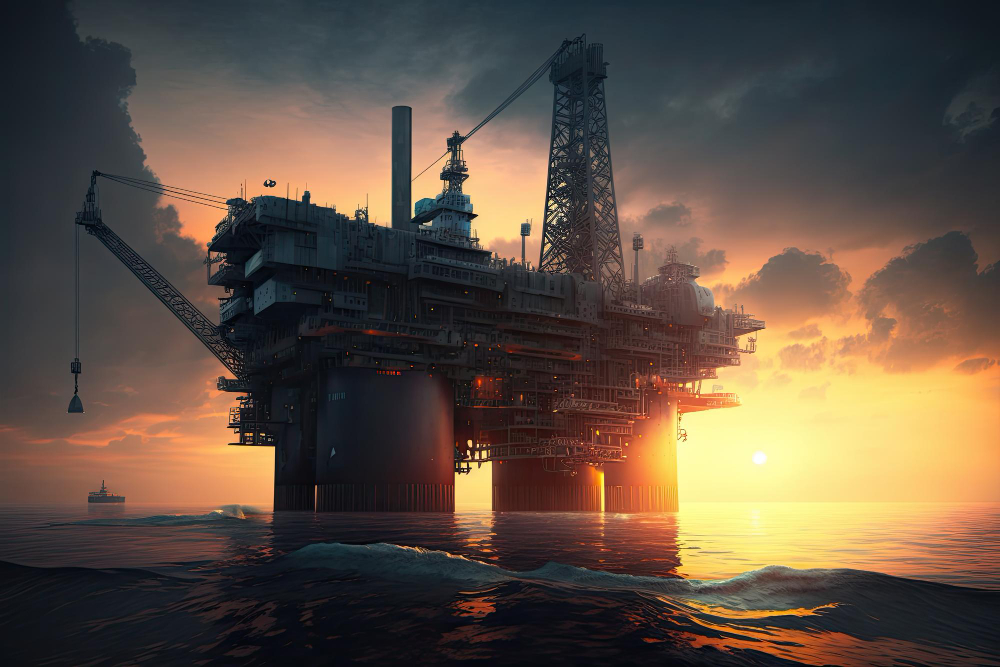
In the oil and gas industry, telemetry systems are used to monitor and control drilling operations, pipeline integrity, tank levels, and equipment performance. Real-time data from remote locations enables operators to detect leaks, optimize production, and ensure compliance with safety regulations.
How is telemetry used in Oil and Gas?
Telemetry systems are deployed extensively in the oil and gas industry to facilitate real-time monitoring and control of a wide array of critical operations.
They are employed to oversee drilling activities, monitor pipeline integrity, assess tank levels, and manage equipment performance.
The real-time data collected from remote locations empowers operators to swiftly detect issues, optimize production processes, and ensure adherence to stringent safety regulations.
What types of data are collected through telemetry?
Telemetry systems in the oil and gas sector gather diverse datasets that are vital for informed decision-making. These data include information on parameters such as pressure levels, temperature, flow rates, equipment performance, and safety-related variables.
Pressure levels are critical for maintaining safe operating conditions, while temperature data aids in preventing overheating and ensuring optimal equipment performance.
Flow rate information is essential for assessing the movement of fluids through pipelines, and equipment performance data provides insights into the health and functioning of machinery.
How do telemetry systems collect data?
Telemetry systems in the oil and gas industry rely on a network of sensors and monitoring devices strategically placed throughout drilling sites, pipelines, and production facilities. These sensors continuously collect data from various components, such as drilling rigs, wellheads, pipelines, tanks, and other equipment.
The collected data is then transmitted in real-time to centralized control centers where it is analyzed, visualized, and acted upon. Data transmission occurs through a combination of wired and wireless communication channels, ensuring that operators have access to current information to support efficient decision-making.
Types of machines where telemetry data are collected from
Telemetry data in the oil and gas industry are collected from a wide range of machinery and equipment, including:
Drilling Rigs: Telemetry systems monitor drilling operations to ensure safety and productivity. Data collected includes drilling speed, depth, and pressure.
Wellhead Equipment: Information from wellhead sensors is crucial for monitoring the performance of individual wells, detecting leaks, and ensuring an efficient production.
Pipeline Monitoring: Telemetry is used to assess pipeline integrity, identify potential leaks, and monitor the flow of oil and gas through the pipeline network.
Tank Level Sensors: Tank levels are monitored to ensure that storage tanks are neither underfilled nor overfilled, preventing potential spills or overflows.
Safety Systems: Telemetry also collects data from safety systems, including gas detectors and emergency shutdown systems, to ensure the safety of personnel and protect the environment.
By utilizing telemetry in the oil and gas sector, operators can maximize productivity, enhance safety, and minimize environmental risks. Real-time data collection and analysis are essential for the efficient and secure operation of oil and gas facilities, and these systems are indispensable for the industry’s continued success.
Manufacturing and Processing

Telemetry plays a vital role in optimizing manufacturing and processing operations. By collecting data from sensors embedded in machinery and equipment, industries can monitor parameters such as temperature, pressure, vibration, and energy consumption. This data helps identify inefficiencies, predict maintenance needs, and increase overall productivity.
How is telemetry used in Manufacturing and Processing?
Telemetry systems play a vital role in optimizing operations in manufacturing and processing industries. They are used to collect data from sensors embedded in machinery and equipment to monitor parameters such as temperature, pressure, vibration, and energy consumption.
This data aids in identifying inefficiencies, predicting maintenance needs, and enhancing productivity. Telemetry also facilitates remote monitoring, enabling timely intervention when issues arise.
What types of data are collected through telemetry?
Telemetry systems in manufacturing and processing collect a wide range of data to support informed decision-making. The data includes parameters such as temperature, pressure, vibration levels, energy consumption, and production rates.
Temperature data is crucial for ensuring that equipment operates within specified ranges to prevent overheating or damage. Pressure data helps monitor the integrity of systems and pipelines.
Vibration data can indicate machinery health, and energy consumption metrics assist in reducing energy costs. Production rates are vital for assessing manufacturing efficiency.
How do telemetry systems collect data?
Telemetry systems in manufacturing and processing utilize a network of sensors installed in critical machinery and equipment. These sensors continuously gather data, which is transmitted in real-time to central monitoring stations.
The collected data is then analyzed and visualized to provide insights into the condition and performance of equipment. The communication can occur through both wired and wireless channels, ensuring that operators have access to timely and accurate information.
Types of machines where telemetry data are collected from.
Telemetry data in the manufacturing and processing industry are collected from a wide variety of machinery and equipment, including:
CNC Machines: Telemetry systems monitor Computer Numerical Control machines to assess factors such as temperature, vibration, and tool wear, optimizing precision manufacturing.
Industrial Ovens and Furnaces: Data is collected to control temperature, ensure uniform heat distribution, and enhance energy efficiency in heat treatment processes.
Injection Molding Machines: Telemetry systems track temperature, pressure, and injection speed to ensure consistent product quality in plastics manufacturing.
Conveyor Systems: Data from conveyor systems is used to optimize material handling, track product movement, and identify maintenance needs.
Robotic Systems: Telemetry in robotics monitors movement, performance, and energy consumption to maximize efficiency and maintain operational reliability.
By employing telemetry in manufacturing and processing, industries can streamline operations, reduce downtime, and enhance product quality. Real-time data collection, coupled with predictive maintenance capabilities, helps ensure that manufacturing and processing operations run smoothly and efficiently.
Chemical Plants and Refineries
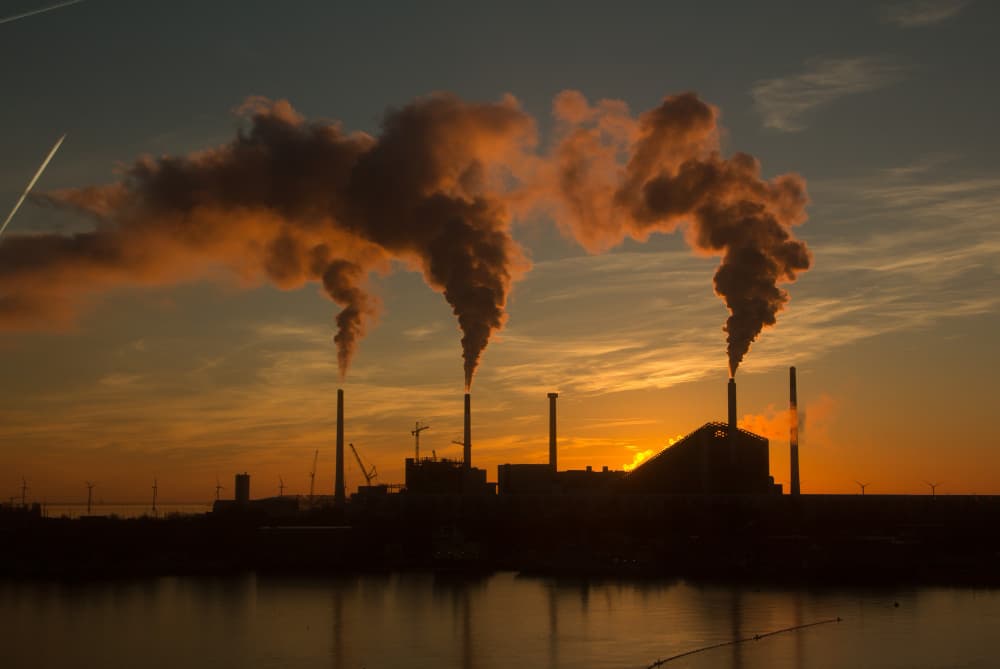
Telemetry is widely used in chemical plants and refineries to monitor critical processes, such as temperature and pressure levels, chemical reactions, and emissions. Real-time data allows operators to maintain optimal conditions, prevent hazardous situations, and ensure compliance with environmental regulations.
How is telemetry used in Chemical Plants and Refineries?
In the context of chemical plants and refineries, telemetry systems play a pivotal role in optimizing operations. They are deployed to monitor various aspects of critical processes, including temperature and pressure levels, chemical reactions, and emissions. Telemetry systems provide real-time data, enabling operators to maintain optimal conditions, swiftly address deviations, and adhere to environmental regulations.
What types of data are collected through telemetry?
Telemetry systems in chemical plants and refineries collect a broad spectrum of data to support decision-making. The data includes parameters such as temperature, pressure, chemical concentrations, flow rates, and emissions levels. Temperature and pressure data are critical for maintaining safe and efficient chemical reactions. Chemical concentration data ensures precise mixing and treatment, while flow rates are vital for assessing the movement of materials. Emissions data is essential for environmental compliance and safety.
How do telemetry systems collect data?
Telemetry systems in chemical plants and refineries utilize an array of sensors and monitoring devices strategically placed throughout the facilities. These sensors continuously collect data from various components, including reactors, pipelines, storage tanks, and emission control systems. The collected data is transmitted in real-time to central control centres where it is analyzed and visualized. Communication is facilitated through wired and wireless channels, ensuring operators have immediate access to critical information.
Types of machines where telemetry data are collected from.
Telemetry data in chemical plants and refineries are collected from a variety of machinery and equipment, including:
Reactors and Vessels: Telemetry systems monitor temperature, pressure, and chemical concentrations to ensure the safety and efficiency of chemical reactions.
Pipelines: Data is collected from pipelines to monitor material flow, pressure, and integrity, preventing leaks and ensuring efficient transportation.
Storage Tanks: Telemetry systems track levels and pressure in storage tanks to prevent overfilling, and spills, and maintain safe storage conditions.
Emission Control Systems: Emissions data is collected to ensure compliance with environmental regulations and to prevent the release of harmful pollutants into the atmosphere.
Mixing and Blending Equipment: Telemetry systems monitor the mixing and blending of chemicals to ensure precise and consistent product quality.
By utilizing telemetry in chemical plants and refineries, operators can maintain safety, optimize processes, and ensure regulatory compliance. Real-time data collection and analysis are essential for both efficiency and safety in these highly specialized industries.
JavaScript Applications for Industrial Telemetry
To effectively process and visualize telemetry data, developers often rely on JavaScript chart components. These components provide the necessary tools and functionalities to create interactive and informative visualizations. Let’s explore some of the popular JavaScript chart components used for industrial telemetry applications.
Multi-channel Real-time Data Monitoring JavaScript Chart
The multi-channel real-time data monitoring JavaScript chart is a powerful tool for visualizing data from multiple channels simultaneously. This chart allows users to monitor various parameters in real-time, such as temperature, pressure, and flow rates, across different industrial processes. With its intuitive interface and customizable features, this chart component enables efficient data analysis and decision-making.
One of the standout features of this chart is its automatic data-cleaning capabilities. In applications that involve infinitely scrolling data, ensuring that old, out-of-view data is efficiently managed is crucial. This JavaScript chart addresses this need by providing an automatic data-cleaning feature. It employs the LineSeries.setMaxPointsCount method to enable this functionality. This method allows you to define the number of data points that will always be retained in the series head, representing the latest data.
This approach ensures that your application can run indefinitely, allowing you to scroll back and review older data for some distance. However, as you scroll further back, you’ll notice that the system efficiently cleans out the old data that is no longer relevant to your current focus. This balance of performance and data management is a testament to the robust capabilities of this JavaScript chart, making it an invaluable tool for applications that require extensive real-time data monitoring across multiple channels.
JavaScript Decaying Line Chart
The JavaScript decaying line chart is ideal for visualizing trends and patterns in telemetry data. This chart component allows users to track the changes in different variables over time, providing valuable insights into process performance and anomalies. The decaying line chart’s interactive features, such as zooming and panning, enhance data exploration and facilitate in-depth analysis.
The “decaying” effect is achieved by preparing individual LineSeries for each displayed sample and updating their stroke style with increasing transparency as time progresses. This technique gives the impression that older data samples gradually fade away, providing a dynamic and visually engaging representation of data changes over time.
One notable aspect of this approach is the remarkable speed and efficiency with which it operates. Updating the stroke style is a swift operation, and there is no specific limit to the number of series that can be utilized. This means that this chart is highly scalable, making it suitable for applications where a substantial amount of data needs to be visualized in this unique and visually impactful manner.
Real-time Data Monitoring JavaScript Chart
Another widely used JavaScript chart component for industrial telemetry applications is the real-time data monitoring chart. This chart, available from lightningchart.com, enables users to monitor critical parameters in real-time, making it an essential tool for industries where immediate action is required. With its responsive and dynamic nature, the real-time data monitoring chart provides a comprehensive view of ongoing processes, ensuring prompt detection and resolution of issues.
By utilizing these high-performance interactive JavaScript chart components, developers can create robust and user-friendly telemetry applications that facilitate efficient data monitoring and analysis.
.NET Industrial Telemetry App Development
In addition to JavaScript, the .NET framework offers chart components that are widely used for industrial telemetry applications. These components provide seamless integration with existing .NET applications and offer advanced functionalities for data visualization. Let’s explore some of the .NET chart components used for industrial telemetry.
Strip Chart Application
The strip chart application is a popular .NET chart component used in industrial telemetry. This component allows users to monitor and record real-time data from multiple channels, displaying it in a strip-like format. The strip chart application is highly customizable, allowing users to configure the appearance and behavior of the chart according to their specific needs. This component is particularly useful for monitoring processes that require continuous data logging and visualization.
Signal Persistent Intensity Chart
The signal persistent intensity chart is another valuable .NET chart component for industrial telemetry applications. This component enables the visualization of signal intensity variations over time, helping operators detect and analyze patterns or anomalies. With its advanced features and intuitive interface, the signal persistent intensity chart provides a comprehensive view of signal behavior, facilitating informed decision-making and problem-solving.
Hi-Speed DAQ Chart
The hi-speed DAQ chart, available in the .NET interactive examples app, is a versatile chart component for industrial telemetry. It is specifically designed to handle high-speed data acquisition and visualization. This chart component enables the real-time monitoring of rapidly changing parameters, such as vibration levels or electrical signals. With its high-performance capabilities, the hi-speed DAQ chart ensures accurate and responsive data visualization, even in demanding industrial environments.
By leveraging these .NET chart components, developers can create robust and efficient telemetry applications that meet the specific requirements of industrial processes.
Conclusion
In conclusion, water industry telemetry plays a crucial role in optimizing industrial processes by providing real-time access to and control of data. Telemetry systems enable industries to monitor and manage various parameters, ensuring the efficient operation of water treatment plants, oil and gas facilities, manufacturing processes, chemical plants, and refineries.
By utilizing JavaScript and .NET chart components, developers can create intuitive and informative visualizations that facilitate efficient data analysis and decision-making. With the continuous advancements in telemetry technology, industries can expect enhanced monitoring capabilities, improved efficiency, and a safer operating environment.
Embracing industrial telemetry is essential for staying ahead in today’s competitive landscape and achieving operational excellence.

Deepak Wagh
Senior Digital Marketing Associate


Continue learning with LightningChart
Andrews’ Pitchfork in Technical Analysis
Andrews' Pitchfork is one of the most respected technical analysis tools used by traders to identify potential support and resistance levels, trend direction, and future price paths. Developed by Dr. Alan H. Andrews, the indicator is based on the principle that prices...
React Charting Performance
Here's a scenario that plays out across development teams every few months. Someone builds a React dashboard, picks Recharts or Victory because they're popular, the devs love them, and the first demo looks great. Then the dataset gets bigger. Or the data starts...
Javascript Charting Library comparison 2026
Every year someone publishes a listicle of JavaScript charting libraries. They screenshot a demo, note the GitHub stars, paste in the npm install command, and call it a day. Then you follow their recommendation, get six months into your project, and discover that your...



If you have any questions, feel free to contact us!


©LightningChart Ltd 2026. All rights reserved.